


Von Willebrand Disease (VWD) is the most common inherited bleeding disorder, yet many people who have it are unaware. Its symptoms can be subtle, variable, and often mistaken for something else. At Trials4Us we’re committed to advancing understanding of inherited clotting and bleeding conditions and supporting individuals who may be affected.
What is von Willebrand Disease?
VWD is a genetic condition that affects the blood’s ability to clot properly. A protein called von Willebrand factor (VWF) plays an essential role in helping blood cells stick together and form clots. People with VWD either produce too little VWF or produce VWF that does not function as it should. This can lead to excessive bleeding or bruising.
How VWD Affects Clotting
Clotting is your body’s natural response to stop bleeding after an injury. In VWD, this process can be less efficient. As a result, individuals may experience:
- Easy or frequent bruising
- Heavy or prolonged nosebleeds
- Unusually heavy menstrual periods
- Bleeding after surgery or dental procedures
- Slow wound healing or re-bleeding
Because symptoms can vary widely, many people with VWD go undiagnosed.
Interested in taking part in research? Explore current VWD clinical trial opportunities at Trials4us.
How VWD is Diagnosed
Diagnosis usually involves a series of blood tests that measure:
- Levels of von Willebrand factor
- How well the clotting system is functioning
- Related clotting factors, such as Factor VIII
VWF levels can fluctuate over time, so testing may need to be repeated to confirm a diagnosis.
How VWD Is Inherited
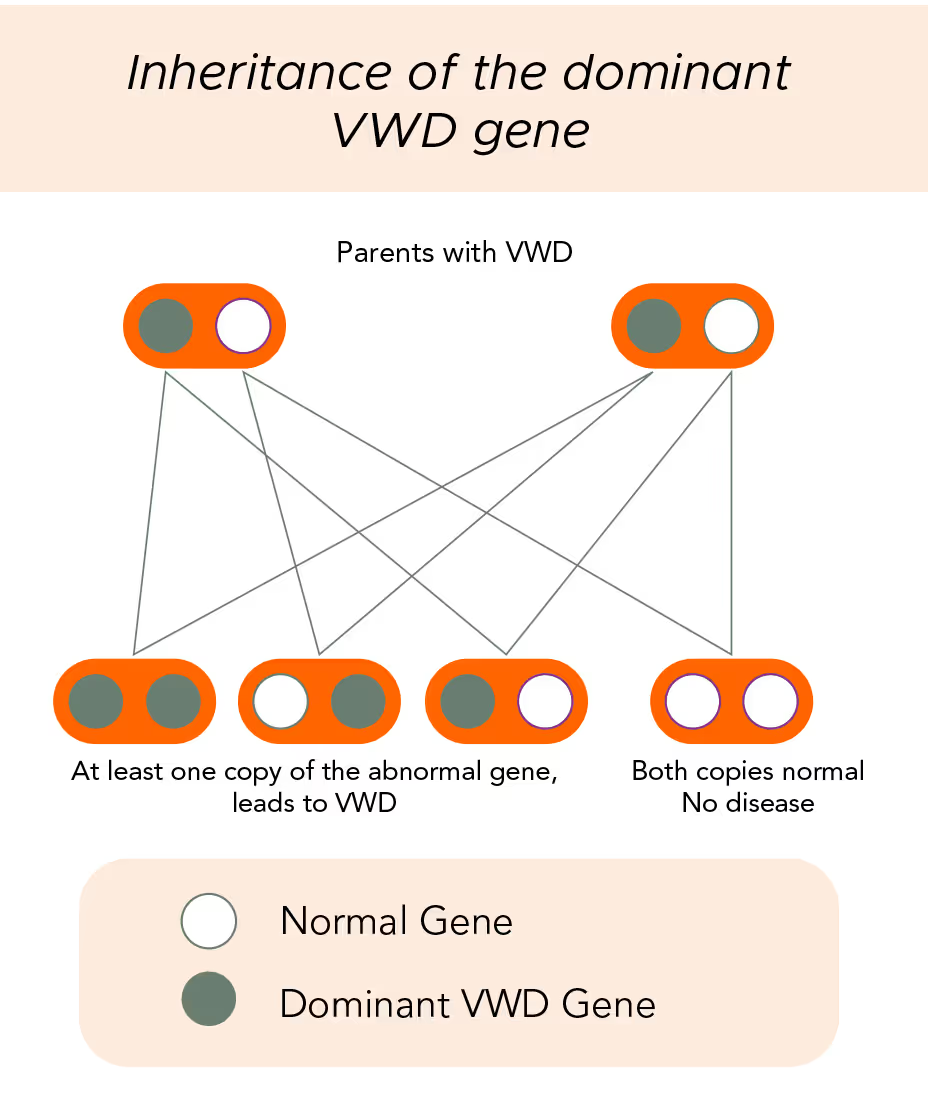
VWD is passed down through genes. You inherit a copy of the relevant gene from each parent:
- If one parent carries the altered gene, symptoms may be mild.
- If both parents pass on the altered gene, symptoms can be more severe.
There are three main types of VWD:
- Type 1 – the most common, usually mild
- Type 2 – moderate, with several sub-types
- Type 3 – rare and typically more severe
Living with VWD
VWD is lifelong, but with the right support most people, especially those with milder forms, lead normal, active lives. Understanding your symptoms and planning ahead can make a significant difference. It’s important to:
- Recognise early signs of bleeding
- Inform your healthcare team before surgery or dental work
- Be aware of medicines that can worsen bleeding, such as aspirin or ibuprofen
Some people may find that VWD affects work, education, relationships, or physical activity. Keeping a record of symptoms and discussing them with a healthcare professional can help manage these challenges.
Treatment Options
Treatment depends on the type and severity of VWD. Options may include:
- Desmopressin (DDAVP): encourages the body to release more VWF
- VWF replacement therapy: used in more severe cases
- Antifibrinolytics: help slow the breakdown of clots
- Hormonal treatments: can help manage heavy menstrual bleeding
Your clinical team will recommend the most appropriate approach for your individual needs.
When to Seek Advice
Speak to your GP if you or a family member experience unexplained or prolonged bleeding. VWD often runs in families, so sharing your family health history can be particularly important. If you’ve ever had excessive bleeding after surgery, dental work, or injury, it may be worth getting evaluated.
Why Trials4us Is Sharing This
At Trials4us, part of Richmond Pharmacology, we conduct clinical research with a clear purpose: to help develop better, more convenient treatments for people living with von Willebrand Disease. Our research doctors, nurses, and clinical scientists work closely with patients and their NHS specialists to advance understanding of this condition and improve quality of life for those affected.
We are currently collaborating on studies exploring potential new therapies that aim to reduce bleeding episodes and simplify day-to-day management. The hope is straightforward, fewer bleeds, and a better experience for people with VWD.
One area of our work involves understanding how VWD affects daily life. For example, our observational research invites people with Type 1 VWD to share their experiences through a bleeding diary, helping us build a clearer picture of the real-world impact of the condition. Insights from this research will help guide the development of future treatment options.
We also support clinical trials assessing emerging therapies that may offer new ways to prevent or manage bleeding. Individuals who wish to learn more about taking part in research can explore our current opportunities on our website.